Casino Sensory Rooms: A Groundbreaking Autism Guide for Inclusive Gaming
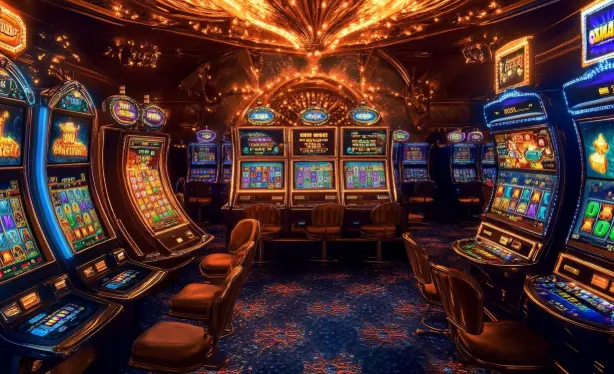
🎰 The global gaming industry is witnessing a paradigm shift. Modern integrated resorts are no longer merely temples of chance; they are becoming pioneers of neuro-inclusive hospitality. For individuals on the autism spectrum, the traditional casino floor—a cacophony of flashing lights, blaring sirens, and dense crowds—can trigger severe sensory overload. Enter the Casino Sensory Rooms, a revolutionary architectural and operational concept designed to provide a sanctuary of calm within the high-octane gaming environment. This comprehensive guide explores how these dedicated spaces are redefining accessibility and setting new benchmarks for responsible entertainment.
The Neurobiology of Sensory Overload in Gaming Environments
To appreciate the necessity of these facilities, one must understand the neurological mechanics at play. Individuals diagnosed with Autism Spectrum Disorder (ASD) often experience atypical sensory processing. The phenomenon of sensory gating—the brain's ability to filter out redundant environmental stimuli—is frequently impaired. A typical casino floor generates acoustic levels exceeding 85 decibels, coupled with high-frequency LED strobes and complex olfactory signatures. For a neurodivergent guest, this environment can precipitate a meltdown or shutdown, resulting in acute psychological distress. Consequently, the provision of a sensory-inclusive casino space is not merely a courtesy; it is a clinical necessity rooted in trauma-informed design principles.
Architectural Specifications and Environmental Psychology
🎨 The design of an effective sensory room within a casino resort adheres to strict evidence-based guidelines. These spaces are strategically located away from the main gaming pit, usually adjacent to the convention center or hotel lobby, to minimize transit through high-traffic zones. The interior employs dampening materials such as acoustic felt panels and plush modular seating to reduce reverberation. Lighting is exclusively adjustable, utilizing warm 2700K bulbs with dimming capabilities, completely eliminating fluorescent flicker. Furthermore, these rooms incorporate proprioceptive aids like weighted blankets, deep-pressure therapy swings, and tactile fidget walls. This meticulous environmental manipulation ensures that the autonomic nervous system can down-regulate, transitioning the guest from a state of hyperarousal to homeostasis.

Operational Protocols and Staff Training for ASD Guests
Infrastructure alone is insufficient without robust human capital management. Leading casino operators are now implementing mandatory neurodiversity training for guest services and security personnel. This curriculum covers de-escalation techniques, recognition of non-verbal cues of distress, and the protocol for discreetly guiding a guest to the sensory room without causing further anxiety. The operational workflow includes a "quiet check-in" process, allowing families to bypass the chaotic front desk. Additionally, the integration of autism-friendly casino amenities extends to the gaming floor itself, where select slot machines can be muted and ambient music zones are clearly demarcated on digital property maps. These protocols demonstrate a corporate commitment to duty of care and social responsibility.
Regulatory Frameworks and the Future of Inclusive Gaming
📜 From a regulatory perspective, the push for sensory accommodations is gaining traction. Gaming control boards in mature jurisdictions are beginning to view accessibility not as a luxury but as a licensing prerequisite. The Americans with Disabilities Act (ADA) provides a foundational legal impetus, though sensory processing differences are often not visibly apparent. Forward-thinking operators are therefore exceeding minimum compliance standards to build brand loyalty among the disability community. The return on investment is quantifiable: extended dwell times for families, positive sentiment in caregiver networks, and reduced liability incidents. As the industry evolves, the integration of virtual reality sensory previews and bio-responsive lighting systems will further personalize the experience, ensuring that the thrill of the game is accessible to every mind.