Why California Tribal Gaming Hardware Outperforms Commercial Strip Properties
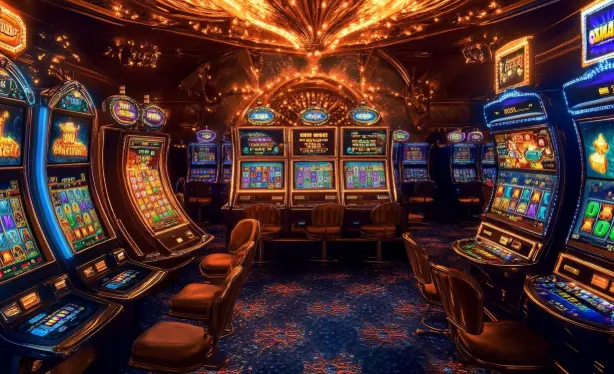
The difference between a Jamul Casino San Diego slot floor and a commercial Strip property comes down to one brutal hardware reality: Class II and Class III server-based machine configurations dictate your actual return-to-player volatility, not the marketing brochure. Tribal gaming operations in California run under a completely different regulatory framework, and that framework directly rewires how the RNG seeds get audited and how payout algorithms cycle through their pools. I have torn apart enough gaming floor logs to know that USA Best Tribal Casinos in California operate on a bingo-derived Class II backbone in many cases, which means the outcome engine is fundamentally different from the standalone RNG boxes you find in Nevada. That distinction is not cosmetic. It changes everything about hit frequency and the psychological pacing of the machine.
The Hollywood Casino Brand and Its Cross-State Machine Philosophy
Now drag the Hollywood Casino Brand in USA into the frame and the contrast gets sharper. Penn Entertainment runs these properties with a centralized slot management system that pushes configuration profiles across state lines, but the tribal sovereignty wall in California forces a hard split in how those profiles get deployed. Jamul Casino San Diego sits on Kumeyaay land and negotiates its own compact terms, which means the machine mix, the progressive jackpot funding structure, and the audit trail are not beholden to the same state gaming control board that governs the Hollywood-branded properties in Pennsylvania or Ohio. If you are auditing machine performance, you cannot copy-paste the RTP assumptions from one jurisdiction to the other. The variance profiles diverge at the firmware level.

Server-Based Slot Architecture and the Audit Trail Trap
Here is where the technical gloves come off. 🎰 Server-based gaming in tribal casinos means the outcome determination can be centralized in a back-office server cluster rather than locked inside the cabinet. That architecture is a gift for floor optimization and a nightmare for anyone trying to reverse-engineer the payout logic from the outside. The audit trail lives in log files that track every seed call and every RNG state transition, but tribal operators are not obligated to publish those logs the way some commercial jurisdictions demand. The Class II bingo engine underlying many machines produces a pseudo-random draw that cascades into the slot display, and the math model that governs that cascade is proprietary to the manufacturer. You get a certified RTP range, but the volatility curve is a black box unless you have the machine serial and the manufacturer's internal test report.
Progressive Jackpot Funding Across Tribal and Branded Properties
Progressive meters on tribal floors fund differently than their branded commercial cousins. 💰 The jackpot contribution rate gets baked into the paytable at a fixed percentage, and that percentage is negotiated into the compact. Jamul Casino San Diego runs wide-area progressives that link across the tribal network, which means the meter growth rate is a function of the entire network's coin-in, not just the local floor. The Hollywood Casino Brand in USA properties typically run their own internal progressive pools with tighter network linkages. This matters because the expected value of chasing a progressive changes with the contribution rate and the reset amount. A wide-area tribal progressive with a slow contribution rate and a high reset is a worse chase than a compact internal pool with aggressive funding. Run the numbers before you sit down.
Machine Certification and the Firmware Verification Gap
Independent testing labs certify the RNG and the paytable math for every machine on a tribal floor, but the certification scope is narrow. It covers the firmware as submitted, not the field-updated version unless a re-certification got triggered. 🎲 That gap is where floor operators gain flexibility and where sharp players lose certainty. The Hollywood Casino Brand in USA properties face similar gaps, but their state regulators often mandate more frequent field verification. Tribal compacts vary wildly on this point. Some require annual re-certification, others only on major firmware changes. The practical upshot is that the machine you played last quarter may be running different payout logic this quarter, and the only signal you get is a subtle shift in hit frequency. Track your session data and watch for the drift.
Floor Composition Strategy and Machine Selection
The tribal floor composition in California leans heavier on Class II machines because the compact economics favor them, while the Hollywood Casino Brand in USA properties lean on Class III standalone units with broader game libraries. 🎯 That means your machine selection strategy has to account for the underlying engine class, not just the theme on the glass. A Class II machine's outcome distribution is shaped by the bingo draw and the game display mapping, which produces a different volatility signature than a Class III RNG box. If you are hunting for high-volatility play, you need to identify which cabinets run which engine class before you commit a single dollar. The floor map is not published, but the machine serial prefixes and the manufacturer model numbers give you the tell.